

THE MAGIC OF DOMES: UNDERSTANDING GEODESIC STRUCTURES

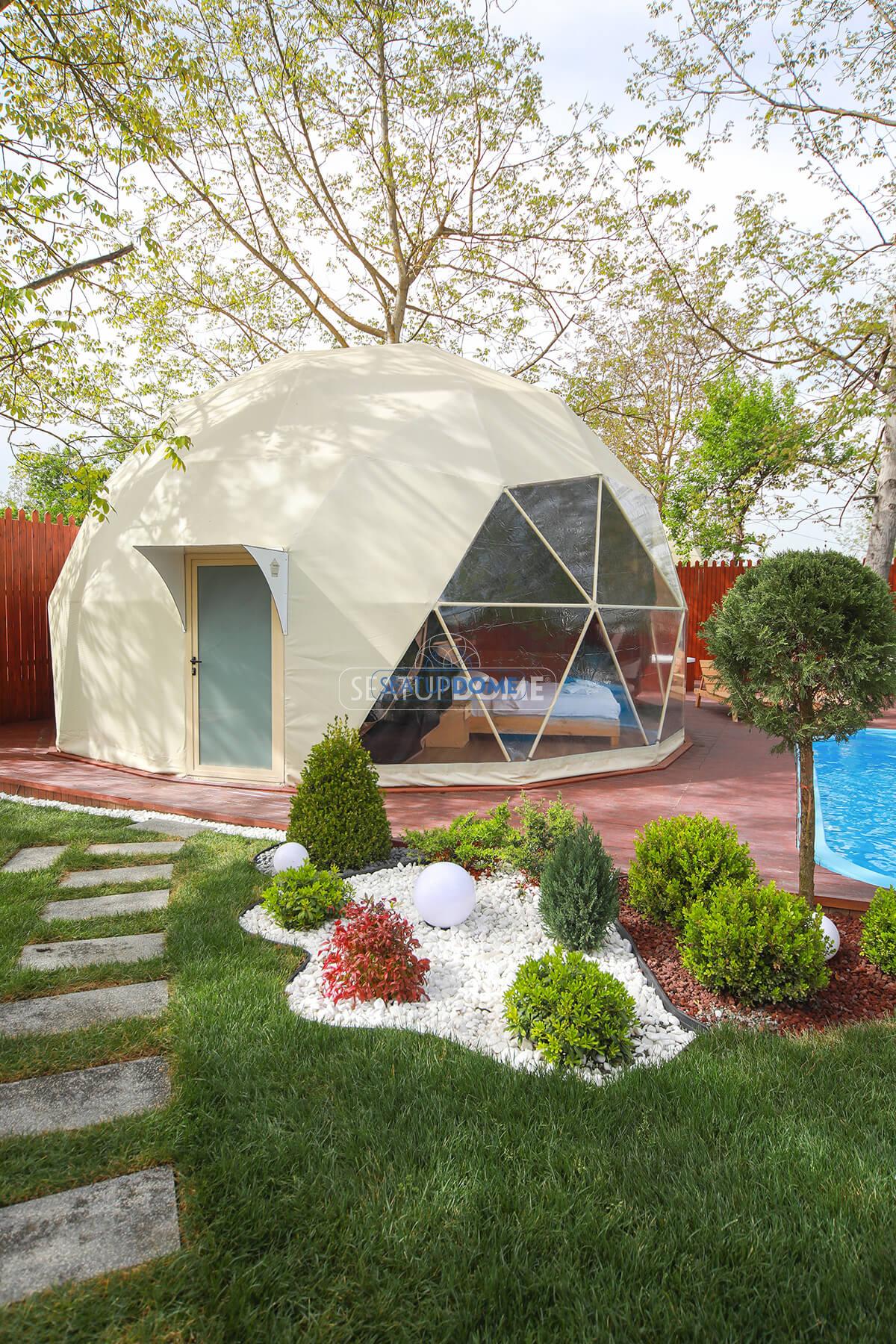
Introduction Have you ever wondered about the unique and captivating structures that seem to blend seamlessly with the natural environment? Geodesic domes are the answer! In this blog post, we’ll delve into the world of geodesic structures, exploring their history, principles, and the fascinating science behind them.
A Brief History of Geodesic Domes The concept of geodesic domes dates back to the early 19th century, but it wasn’t until the mid-20th century that they gained widespread recognition. Buckminster Fuller, a renowned architect and inventor, is credited with popularizing geodesic domes for their strength, efficiency, and aesthetic appeal.
The Science Behind Geodesic Domes Geodesic domes are based on the mathematical principle of triangulation. By connecting multiple triangles together, they form a strong and stable structure that can withstand various environmental conditions. The unique geometry of geodesic domes allows them to distribute weight evenly, making them highly efficient and cost-effective.
The Benefits of Geodesic Domes Geodesic domes offer numerous advantages, including:
- Strength and Durability: They are incredibly sturdy and can withstand harsh weather conditions, making them ideal for outdoor applications.
- Energy Efficiency: Their unique shape and design promote natural ventilation and insulation, reducing energy consumption.
- Versatility: Geodesic domes can be customized to suit various purposes, from glamping accommodations to event spaces and greenhouses.
- Aesthetic Appeal: Their distinctive appearance creates a visually striking and memorable experience.
Conclusion Geodesic domes are truly remarkable structures that combine science, art, and engineering. Their versatility, efficiency, and strength make them a popular choice for a wide range of applications. In the following blog posts, we’ll explore how our company leverages geodesic dome technology to create innovative and sustainable solutions.